Printable Composition Notebook Cover: A Practical Guide to Customizing Your Workspace
In an era where digital organization often overshadows analog tools, the standard composition notebook remains a steadfast favorite for professionals, students, and creators alike. However, the ubiquitous black-and-white marble cover can sometimes feel generic in a professional setting or lack the personal flair needed for a dedicated journal. This is where a Printable Composition Notebook Cover offers a compelling solution. It transforms a mass-produced stationery item into a personalized tool that reflects individual style, brand identity, or specific project themes without requiring a complete overhaul of your organizational system.
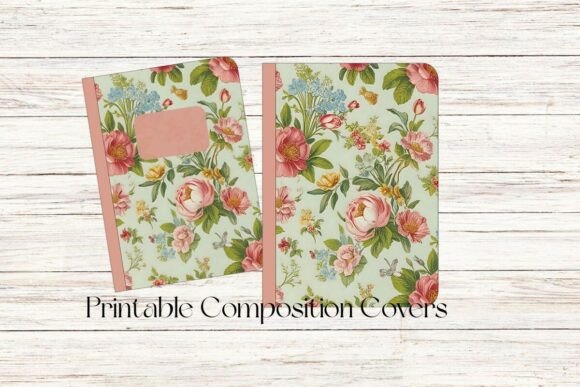
This resource represents a shift from passive consumption to active customization. By providing high-resolution digital files designed specifically for the standard 7.5 x 9.75 inch notebook, it allows users to take control of their physical workspace aesthetics instantly. Whether you are an educator looking to create a cohesive look for classroom materials, a freelancer needing branded planners for client meetings, or simply someone who wants to elevate their daily journaling experience, this approach bridges the gap between utility and design.
Understanding the Product and Its Core Value
The concept behind a Printable Composition Notebook Cover is straightforward yet effective. It is a digital download product that delivers two distinct design files: one for the front cover and one for the back cover. Unlike purchasing pre-made covers which may be limited by inventory or shipping times, this method provides immediate access to customizable assets. The files are optimized for high-resolution printing, ensuring that when transferred to sticker paper, the result is crisp, vibrant, and professional.
The primary value proposition lies in its flexibility and cost-efficiency. For small business owners or content creators, these covers serve as a low-cost branding opportunity. Imagine handing out notebooks with your logo or color scheme during a workshop; it creates a memorable impression without the expense of custom-printed merchandise. Similarly, for teachers, it offers a way to differentiate student supplies or create thematic units that make learning materials more engaging. The ability to choose from two different designs within a single purchase adds a layer of variety, allowing users to match different notebooks to different purposes—perhaps a professional design for work notes and a creative pattern for personal reflection.
Technical Specifications and Compatibility
One of the most critical aspects of any stationery modification is fit. These digital covers are engineered to align perfectly with the industry-standard composition notebook dimensions of 7.5 inches by 9.75 inches. This precise sizing ensures that the printed material adheres smoothly to the curved spine and flat surfaces of the notebook without excessive overhang or gaps. The high-resolution nature of the files means that fine details in the artwork remain sharp, avoiding the pixelation that can occur with lower-quality scans or prints.
It is important to note that this is a DIGITAL DOWNLOAD. There is no physical inventory, shipping delay, or packaging waste associated with this transaction. Upon purchase, the user receives the necessary files to begin the customization process immediately. This immediacy is particularly beneficial for last-minute preparations, such as back-to-school season or sudden project deadlines, where time is a premium resource.
Practical Application and Workflow Integration
Integrating a Printable Composition Notebook Cover into your routine requires minimal technical skill but yields significant aesthetic rewards. The process is designed to be accessible to anyone with access to a standard printer and cutting tools. The workflow typically involves three main stages: downloading, printing, and application.
- File Acquisition: After the transaction, the high-resolution front and back cover files are available for instant download. Users should ensure they have the correct software to open PDF or image files.
- Printing Strategy: The success of the final product depends heavily on the choice of paper. While regular paper can be used for a temporary or budget-friendly option, the recommendation for optimal results is to use full-sheet adhesive sticker paper. This material allows the cover to function like a decal, adhering directly to the notebook's surface.
- Cutting and Application: Once printed, the sheets are cut to size. Applying the cover requires a steady hand and patience to avoid air bubbles. For those seeking a professional finish, trimming the edges precisely to match the notebook's perimeter is essential.
A crucial tip for longevity is lamination. Since composition notebooks are often handled frequently, subjected to spills, or carried in crowded backpacks, the durability of the print is paramount. Applying a clear laminate sheet over the printed cover before attaching it to the notebook significantly enhances resistance to water, tearing, and wear. This step transforms a simple paper overlay into a durable protective layer, extending the life of both the cover and the underlying notebook.
Quality Considerations and Real-World Performance
When evaluating the effectiveness of printable covers, color accuracy and material quality are the primary variables under the user's control. Because colors may vary slightly due to monitor settings and printer calibration, what appears on screen might differ subtly from the printed output. Professional users often test a small sample print before committing to a full run of expensive sticker paper. Despite this minor variable, the visual impact of a custom cover is generally substantial compared to the plain factory finish.
In terms of usability, the thin profile of a printed sticker cover does not add bulk to the notebook, preserving the slim form factor that makes composition books popular for pocket carry. Unlike rigid hard covers that can crack or warp, these flexible overlays move with the notebook's binding. However, users should be aware that while the sticker paper provides good adhesion, extreme friction or rough handling could eventually cause peeling at the corners. Lamination mitigates this risk effectively.
Target Audience and Use Cases
The versatility of the Printable Composition Notebook Cover makes it suitable for a diverse demographic ranging from K-12 students to corporate executives. The following groups find particular value in this DIY solution:
- Educators and Teachers: Creating themed covers for lesson planning, grading journals, or student reference guides helps organize materials visually. It also serves as a thoughtful, low-cost gift for colleagues or a reward for students.
- Freelancers and Small Business Owners: Branding is essential even for small operations. Using custom covers on notebooks used for client notes, brainstorming sessions, or invoice tracking reinforces brand identity in a tangible way.
- Content Creators and Bloggers: For those who document their creative process or maintain editorial calendars, a stylish cover makes the act of writing more enjoyable and the finished product more Instagram-worthy if shared online.
- Students and Planners: Back-to-school season is a prime opportunity to personalize supplies. Differentiating notebooks by subject or project through unique covers aids in quick identification and reduces clutter on a desk.
Limitations and Final Assessment
While the benefits are clear, potential users should consider the limitations inherent in a DIY approach. The process requires an initial investment of time and effort in cutting and applying the covers. For those who prefer a "buy and go" convenience, this method may seem labor-intensive. Additionally, the reliance on home printing equipment means that users must own a capable printer and have access to specialty sticker paper, which can be more costly than standard office paper.
Furthermore, because this is a digital product, there is no tactile inspection of the final physical goods before use. Users must trust the resolution and color fidelity of the digital files. Once applied, removing the cover to switch to a new design can be difficult, potentially damaging the original notebook if not done carefully. Therefore, this solution is best suited for individuals who intend to keep the customized notebooks for an extended period.
In conclusion, a Printable Composition Notebook Cover is a practical, cost-effective tool for personalization. It empowers users to upgrade their everyday stationery with minimal resources and maximum creativity. By combining the reliability of the classic composition book format with the aesthetic freedom of digital design, it offers a balanced approach to organization. For those willing to invest a few minutes in the printing and assembly process, the result is a personalized accessory that enhances both the functionality and the visual appeal of their workspace.